







Search Results for: Coffee Dose-to-Yield Ratio
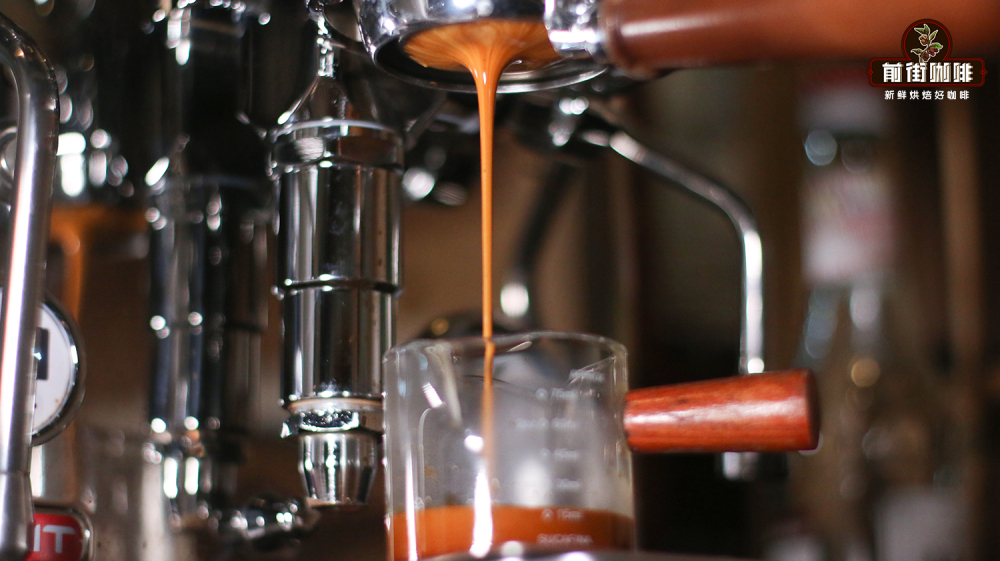
The Principles of Italian Coffee Extraction | What Are the Characteristics of Espresso Blends and Roasting? An Introduction to Espresso Dose-to-Yield Ratios, Grind Size, and Extraction Parameters
For more specialty coffee knowledge, please follow our WeChat official account: Front Street Coffee (FrontStreet Coffee). Italy is a country of coffee culture. The espresso that has spread around the world is the soul of coffee and a treasure Italy has given to the world. Espresso, as its name suggests, is a [more…]
Espresso Extraction Principles | Why Can't Espresso Be Extracted Twice? What Are the Factors Affecting Espresso Extraction?
For more specialty coffee knowledge, please follow our WeChat official account: Front Street Coffee (FrontStreet Coffee). Before opening for business each day, every coffee shop's task is to dial in a qualified and delicious espresso. We know what delicious means, but what is a qualified espresso? Today Front Street [more…]
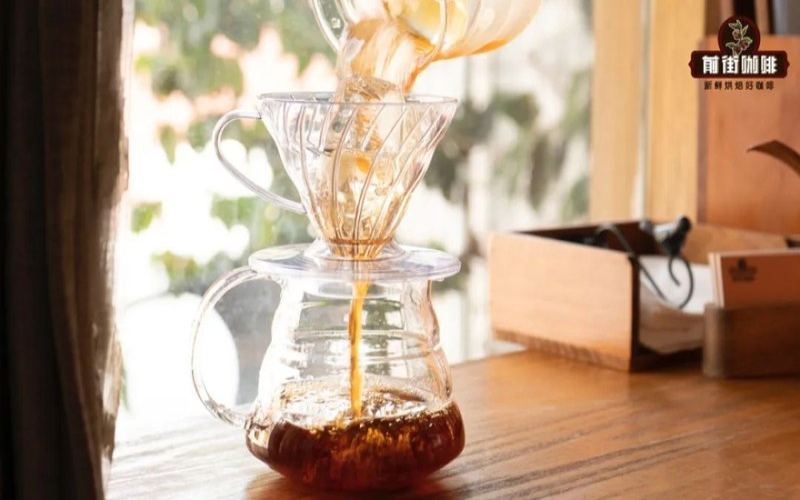
How to Choose a Yirgacheffe SOE: Looking at Floral-Fruity Aromas and Body by Roast Level
When Yirgacheffe is made into an SOE, it usually brings the regional characteristics straight into the espresso cup: citrus, floral, berry, and tea-like notes may appear in concentrated form, or they may be rearranged by the roast level. Here, SOE refers to espresso beans from a single origin or single region. To find the version that suits you, you can start by looking at the roast level. [more…]
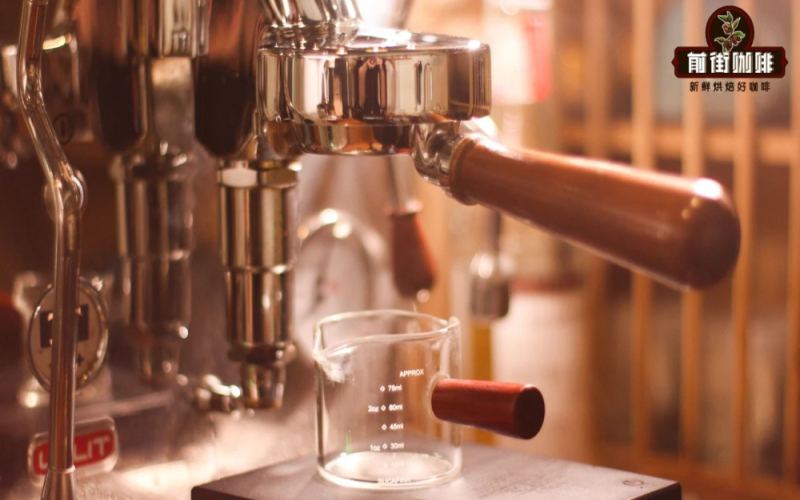
Americano Features | What Factors Affect Espresso Quality? What Is the Espresso Extraction Formula? Introduction to Iced Americano Ratio and Method
For more specialty coffee knowledge, please follow our WeChat official account: FrontStreet Coffee. Anyone who has made coffee knows that a standard Americano is made by combining espresso with water—meaning whether an Americano tastes good depends entirely on the quality of the espresso. Extracting espresso. [more…]
SOE Coffee Brewing Guide | Is espresso made from SOE beans sour? How to adjust the SOE coffee extraction ratio?
SOE, a term frequently seen in coffee shops in recent years—what exactly is SOE? And when you suddenly crave one, how can you make a satisfying cup of SOE? What is SOE? SOE stands for "Single Origin Espresso," which means single-origin [more…]
Espresso Coffee Bean Recommendations: How Equipment, Parameters, and Bean Flavor Work Together
The same coffee beans will perform noticeably differently in different brewing devices. Pour-over places more emphasis on aroma and clarity, the espresso machine highlights intensity and sweetness, and the moka pot requires a balance of pressure, heat, and coffee bed. Bean selection cannot be separated from the brewing device, and the parameters should also be adjusted accordingly based on the roast level of the beans. The key points of espresso extraction are dose, grind [more…]
Espresso specialty coffee bean recommendations: how gear, parameters, and bean flavor work together
The same coffee beans will perform noticeably differently in different brewing devices. Pour-over places more emphasis on aroma and clarity, the espresso machine highlights intensity and sweetness, and the moka pot requires a balance of pressure, heat, and the coffee bed. Bean selection cannot be separated from the brewing device, and the parameters must also be adjusted accordingly based on the roast level of the beans. The key to espresso extraction lies in the dose, grind [more…]

SOE Coffee Brewing Ratio | Which coffee beans are rich and sweet with a lingering aftertaste? What flavors does SOE single-origin espresso have? Are there coffee beans that work for both pour-over and SOE?
For more specialty coffee knowledge, please follow: Front Street Coffee (Frontsteet Coffee). Coffee is a global beverage. In addition to the diversity of brewing methods, it can also rely on different extraction methods to produce coffees with different flavors and mouthfeels, whether visually or in tasting. [more…]
Single-Origin and Blend Pour-Over Coffee Bean Recommendations: How Different Roast Levels Change the Cup
The roast level changes the flavor focus and extraction rhythm of coffee beans. Light roasts typically retain more floral and fruity notes and bright acidity, medium roasts tend to present sweetness and balance, while dark roasts lean toward nutty, cocoa, and full-bodied flavors. None is superior to the others; the key is whether they match your brewing method. For espresso extraction, the focus is on dose, grind [more…]

How to choose several cost-effective espresso beans for home use: incorporating brewing parameters into bean selection
Before buying beans, go through your daily scenarios: is it black coffee in the morning or a milk coffee with meals, the ritual of pour-over or the efficiency of a machine. These answers determine how to choose the roast level, flavor intensity, and brewing method. Espresso extraction can be understood as a balancing game among dose, grind size, yield, and time. Blend beans [more…]
Dear, how to choose the right staple beans for an espresso machine: how to make a consistently good cup of coffee
First, determine the drinking scenario, then talk about choosing beans: a cup of black coffee in the morning and a milk coffee with breakfast are two different needs, and slow sipping with pour-over versus quick output from a machine are two different rhythms. Roast level, flavor intensity, and brewing method all change with the scenario. The core of espresso extraction is the mutual constraint among several parameters: dose, grind size, liquid weight, and yield. [more…]
SOE Coffee | Why does switching to SOE coffee beans at a café cost extra? What makes SOE coffee more expensive than espresso?
When you go to a café and want to order an Americano or a milk coffee, you're often faced with two options: the default espresso blend, or the SOE that costs extra. At this point, some people might wonder, why is this "SOE" more expensive than the blend? What exactly makes it cost more? What exactly is SOE coffee? [more…]
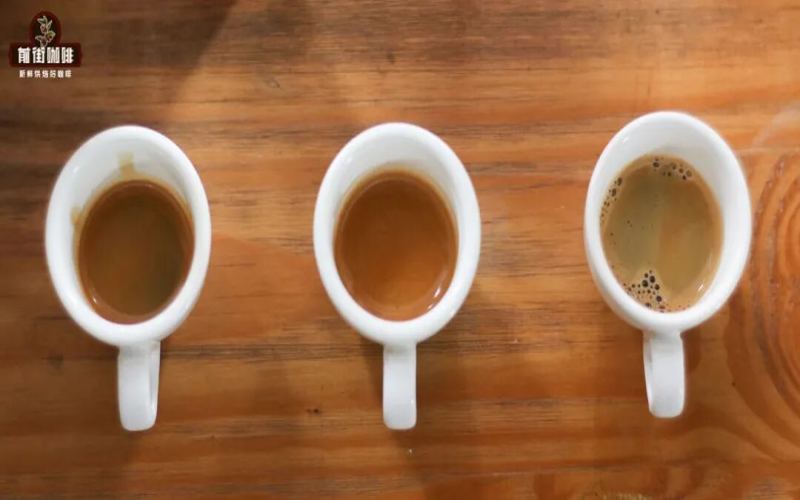
SOE Coffee Brewing Guide | How to Make Delicious SOE Espresso? How to Adjust SOE Coffee Bean Brewing Parameters?
After drinking too much traditional dark-roast espresso, one can't help but want a change of taste. As a result, most people swap the dark-roast blend in their hopper for SOE coffee beans that highlight flavor, using them to craft espresso with a pronounced acidic taste. These beans tend to be roasted on the lighter side, so if we use the parameters for extracting dark-roast beans [more…]
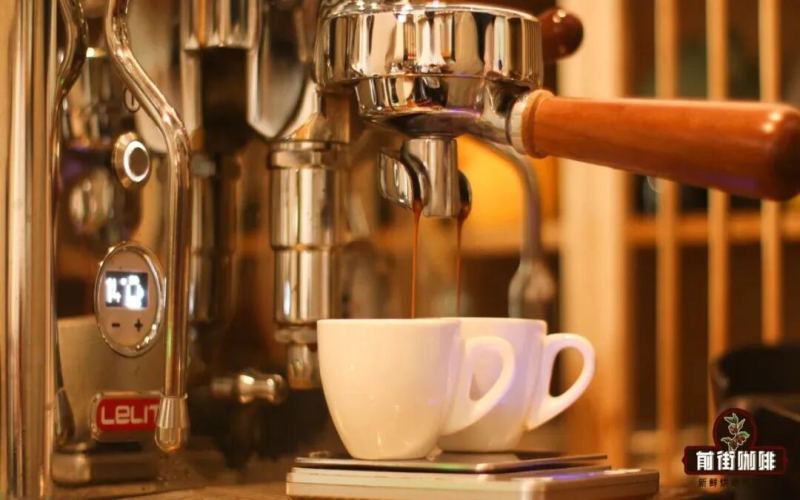
SOE Coffee Bean Recommendations | How Can Coffee Beginners Choose SOE Coffee Beans? How Do You Make a Delicious SOE Americano and SOE Latte?
As the specialty coffee scene in China grows ever more vibrant, high-quality single-origin beans from producing regions around the world are frequently appearing on the menus of many cafés. Not only does each coffee come with detailed traceability information, but many single-origin lots also leave a lasting impression with their distinctive aromas. For example, the bean list at Front Street Coffee shops includes an entire section [more…]
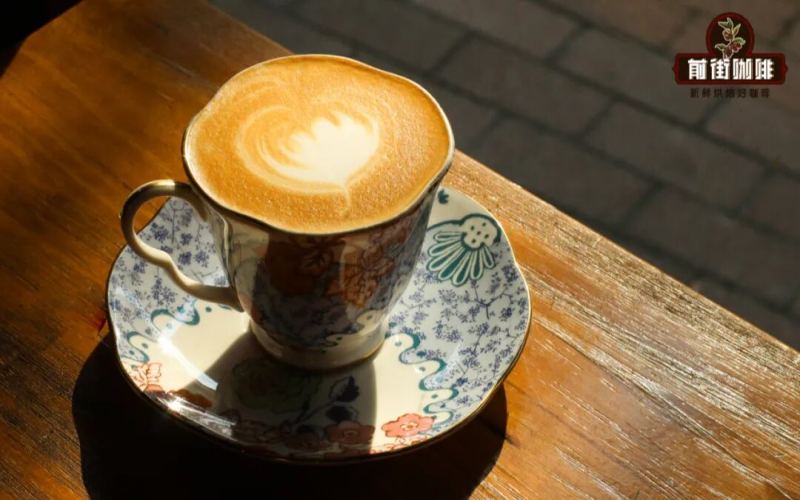
Espresso | What is the golden extraction ratio for espresso? Must the coffee-to-liquid ratio for making espresso be 1:2?
Front Street Coffee believes that after you've been working with espresso for a while, you'll certainly be familiar with the "1:2" brew ratio, because it's often hailed as the "golden ratio" for espresso and is the most commonly used ratio when extracting espresso. Brew ratio refers to the amount of coffee grounds used [more…]
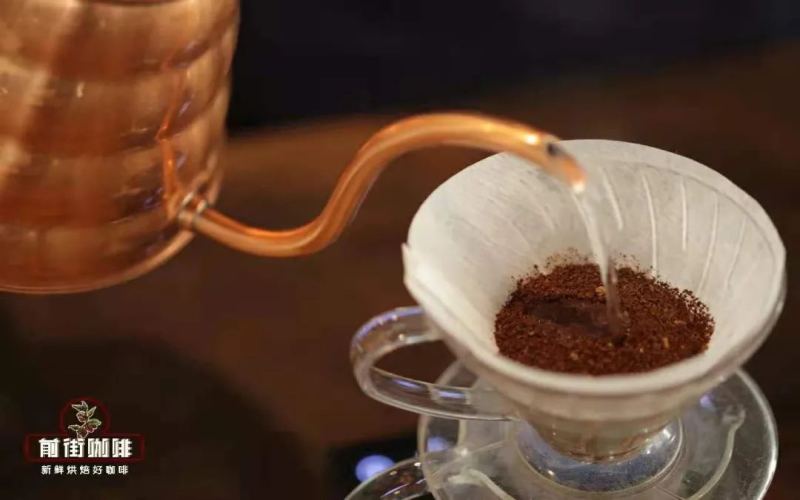
Coffee-to-Water Ratio | How to Calculate the Pour-Over Coffee-to-Water Ratio, Cold Brew Pour-Over Coffee-to-Water Ratio
Without adding sugar or milk, how to hand-brew a delicious and distinctive cup of coffee is a difficult challenge for many enthusiasts just starting out in coffee. Pour too much water and the coffee will be weak; pour too little and it will be very strong and harsh on the throat. Therefore, you must pay attention to the coffee-to-water ratio. So exactly how much water should be used to brew a cup of coffee? The coffee-to-water ratio is probably what every [more…]

Coffee to Milk Ratio | How does the coffee-to-milk ratio in a latte affect the taste? What's a suitable coffee-to-milk ratio for making a latte at home?
Front Street bets that among all the coffee drinks coffee machine owners make at home, milk coffee must be at the top, and among them, the latte is the undisputed "face" that everyone favors. Because of this, Front Street constantly receives many questions about making lattes at home, such as "what milk is best" and "how [more…]
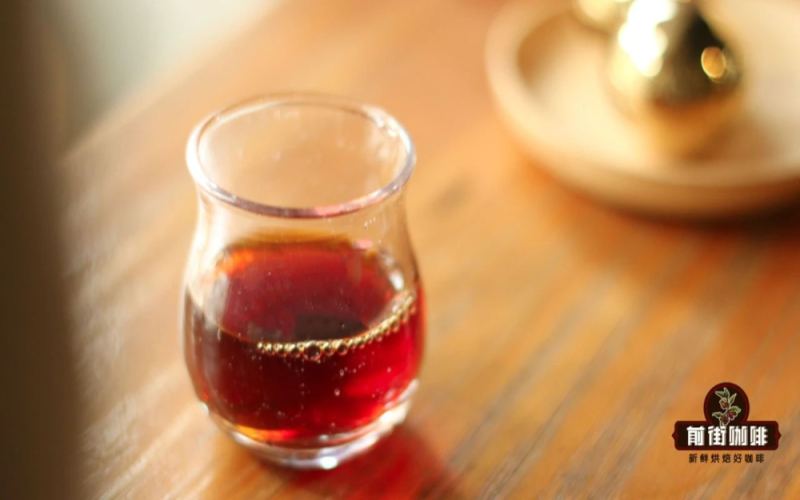
Beginner's Guide to Pour-Over Coffee | How Much Water Should You Use When Brewing Pour-Over Coffee? Is the Pour-Over Coffee Coffee-to-Water Ratio Always 1:15? What Factors Affect the Flavor of Pour-Over Black Coffee?
The coffee-to-water ratio is a very important parameter in pour-over coffee. Put simply, with a fixed amount of coffee grounds, there is an amount of water that is just right to bring out the aroma of the coffee to the fullest. Therefore, learning to find the correct coffee-to-water ratio is also an important part of learning to brew coffee. What is the coffee-to-water ratio? [more…]
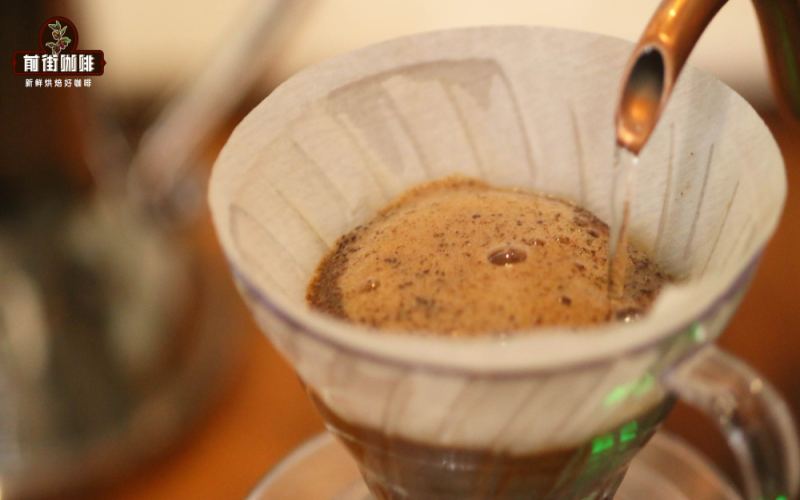
Pour-over Coffee Strength | Is the Golden Ratio of Water to Coffee for Pour-over 1:15? When brewing pour-over coffee, is more water always better?
When making coffee, the coffee-to-water ratio is the first brewing factor we need to determine. So what is the standard coffee-to-water ratio? The answer is: the golden ratio is 1:18, meaning every 1g of coffee corresponds to 18ml of water. This ratio was derived by the American Coffee Association through surveys and extensive practice. But [more…]
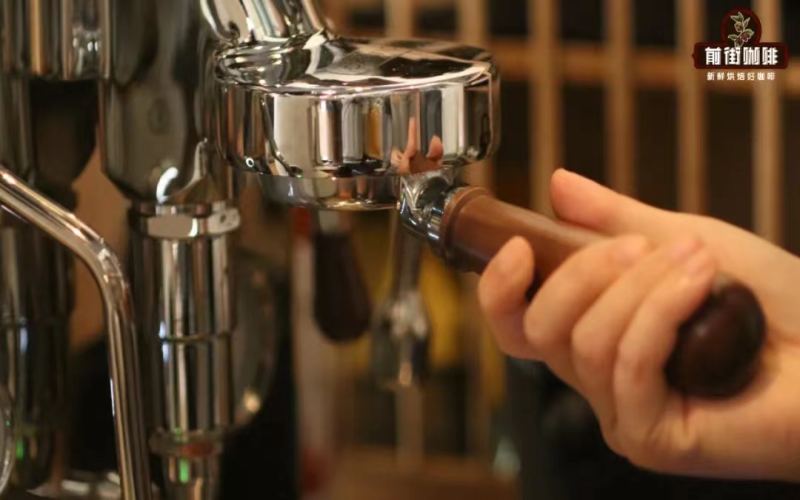
How to Make an Americano | Hot Americano Coffee-to-Water Ratio Reference, Iced Americano Espresso-to-Water-to-Ice Ratio
For many people, coffee is a drink that is enough to refresh the mind and wake them up in the early morning. People like the convenience and functionality of coffee, and the representatives of this are espresso and Americano. Americano is made by adding water to espresso. So what should the ratio of water to Americano be? Americano water [more…]